A centrifuge is a device that separates substances based on density by spinning samples at high speeds. It uses centrifugal force to push denser particles outward Fixed angle rotor, while lighter ones stay near the center. This physical separation allows quick distinction of components without altering their properties. Various types exist for different scales and purposes, including medical and industrial uses. Exploring how centrifuges work and their applications reveals their crucial role across many scientific and manufacturing fields.

What Is a Centrifuge and What Does It Do?
A centrifuge separates substances of different densities by spinning them at high speeds. This device harnesses centrifugal force to push denser components outward Lab Alliance, allowing for effective separation without chemical alteration.
Commonly used in laboratories, medical facilities, and industrial settings, centrifuges enable precise isolation of elements such as blood components, sediments, or mixtures in various forms. Its functionality supports autonomy in scientific exploration, medical diagnostics, and manufacturing processes by providing a reliable, efficient means to distinguish materials quickly.
How Does a Centrifuge Separate Substances?
Separation within a centrifuge occurs through the application of centrifugal force, which acts on particles based on their mass and density. When a mixture spins rapidly, denser particles experience a stronger outward force, causing them to move toward the outer edge of the rotating container. Meanwhile, lighter components remain closer to the center. This physical principle allows a centrifuge to efficiently separate substances without altering their intrinsic properties.
Different Types of Centrifuges and Their Uses
Centrifuge models vary widely, each designed to meet specific scientific, medical, or industrial needs. Different types of centrifuges enable precise separation based on sample volume, speed, and purpose. Commonly used variants include:
- Microcentrifuges: Compact and fast, ideal for small-volume biological samples.
- Ultracentrifuges: Capable of extremely high speeds, used for subcellular components.
- Refrigerated centrifuges: Maintain low temperatures to preserve sensitive samples.
- Analytical centrifuges: Measure sedimentation rates to analyze molecular properties.
- Industrial centrifuges: Handle large volumes for waste management or material processing.
Each type offers flexibility and efficiency, empowering users to select equipment that aligns with their experimental or production freedom without compromising accuracy or reliability.
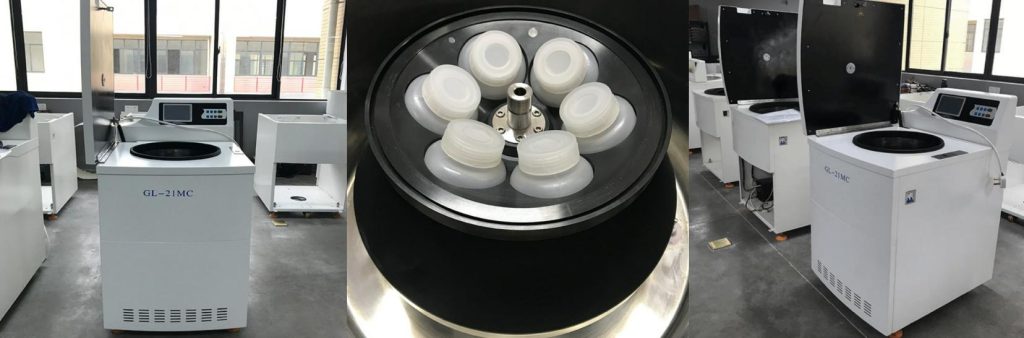
Common Applications of Centrifuges in Science and Industry
Various scientific and industrial fields utilize centrifuges to enhance processes requiring the separation of components based on density.
In medical laboratories, centrifuges separate blood components for diagnostic testing.
Biotechnology relies on centrifugation to isolate cells, viruses, and proteins.
Environmental science employs centrifuges to analyze soil and water samples, detecting contaminants efficiently.
In the food industry, centrifuges clarify liquids such as juices and separate cream from milk.
Chemical manufacturing uses centrifuges to purify compounds and recover catalysts.
Additionally, the petroleum industry applies centrifugation to separate oil, water, and solids during refining.
These applications demonstrate the centrifuge’s versatility, enabling precise and rapid separation that supports quality control, research, and production across diverse sectors.
Tips for Using a Centrifuge Safely and Effectively
Making safe and effective operation requires adherence to specific guidelines and best practices.
Proper use empowers users to harness a centrifuge’s full potential while minimizing risks.
Key recommendations include:
- Always balance samples precisely to prevent mechanical failure and make certain consistent results.
- Secure the lid firmly before starting to avoid accidental ejection of contents.
- Use tubes and rotors compatible with the machine’s speed and force limits.
- Regularly inspect equipment for wear, damage, or corrosion to maintain reliability.
- Adhere to manufacturer’s cleaning and maintenance protocols to prolong lifespan and avoid contamination.
Conclusion
A centrifuge is an essential tool that separates substances based on density through rapid spinning. By generating centrifugal force, it effectively divides mixtures into distinct components. Various types of centrifuges cater to specific scientific and industrial needs, from medical laboratories to manufacturing processes. Proper understanding and safe operation are pivotal to maximize efficiency and prevent accidents. Overall, the centrifuge remains an indispensable instrument for precise separation and analysis across multiple fields.


