Proper dental care is essential for the overall health and well-being of our furry companions pet hospital. Neglecting your pet’s oral health can lead to a range of issues, from bad breath to more serious conditions like periodontal disease.
In this article, we will explore the importance of pet dental care, common problems pets face, the consequences of poor dental hygiene, and the benefits of regular check-ups.
Stay informed and ensure your pet’s health with our expert insights on pet dental care.
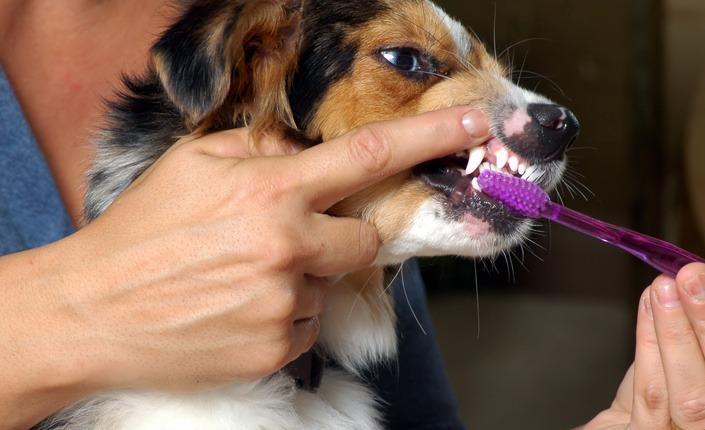
Importance of Pet Dental Health
Ensuring proper dental care for your pet is essential for maintaining their overall health and well-being. Just like humans, pets can suffer from dental issues such as plaque buildup, gum disease, and tooth decay if their oral hygiene is neglected. These problems can not only lead to pain and discomfort for your furry friend but can also have serious implications on their overall health. Poor dental health in pets has been linked to various systemic conditions, including heart, liver, and kidney diseases.
By prioritizing your pet’s dental care, you are not only helping them maintain fresh breath and healthy teeth but also preventing potential health complications down the line.
Regular dental check-ups and cleanings by a veterinarian, along with at-home dental care routines, play a crucial role in ensuring your pet’s dental health. Brushing your pet’s teeth regularly, providing dental treats or toys, and incorporating dental-friendly diets can all contribute to keeping their teeth and gums in good condition. Remember, a healthy smile equals a happy pet!
Common Dental Problems in Pets
One of the most prevalent dental problems in pets is plaque buildup, a common issue that can lead to various oral health complications if left untreated. Plaque is a sticky film composed of bacteria that forms on the teeth. If not removed through regular brushing or professional cleanings, it can mineralize and harden into tartar, which irritates the gums and provides a breeding ground for more bacteria.
This can result in gum disease, a painful condition that can lead to tooth loss and even affect vital organs such as the heart and kidneys if bacteria enter the bloodstream. Additionally, pets can suffer from dental issues like fractured teeth, tooth abscesses, and oral tumors, which can cause discomfort, difficulty eating, and systemic infections if not addressed promptly.
Regular dental check-ups, proper at-home dental care, and a balanced diet can help prevent these common dental problems and ensure your pet maintains optimal oral health.
Impact of Poor Dental Care
A significant number of pets suffer adverse consequences from poor dental care, highlighting the importance of proactive oral health measures. Neglecting your pet’s dental hygiene can lead to a variety of serious health issues. Dental diseases like periodontal disease, tooth decay, and gingivitis can cause pain, discomfort, and difficulty eating for your furry companion.
Moreover, bacteria from infected gums can enter the bloodstream, affecting vital organs such as the heart, liver, and kidneys. Untreated dental problems may also result in tooth loss, abscesses, and systemic infections, posing a risk to your pet’s overall well-being. In severe cases, advanced dental issues can even shorten your pet’s lifespan.

Benefits of Regular Dental Check-ups
Regular dental check-ups for your pet are essential in maintaining optimal oral health and preventing potential complications that can jeopardize their overall well-being. Just like humans, pets benefit greatly from regular dental examinations. These check-ups allow veterinarians to detect any early signs of dental issues such as periodontal disease, tooth decay, or oral infections. By addressing these problems promptly, further complications can be prevented, ensuring your pet’s comfort and well-being.
Moreover, regular dental check-ups can help in preventing bad breath in pets, which is often a sign of underlying dental problems. Maintaining good oral hygiene through these check-ups can also contribute to your pet’s overall health. Dental issues can lead to systemic problems affecting organs like the heart, liver, and kidneys. Therefore, by staying proactive with your pet’s dental care, you are not only ensuring their oral health but also supporting their overall physical health.
Tips for Maintaining Pet Dental Hygiene
To maintain optimal pet dental hygiene, consistency in brushing your pet’s teeth daily is crucial. Regular brushing helps prevent plaque and tartar buildup, reducing the risk of dental issues such as periodontal disease.
Additionally, providing your pet with dental chews or toys designed to promote dental health can aid in keeping their teeth clean. Introducing a dental-friendly diet and avoiding sugary treats can also contribute to maintaining good oral hygiene for your pet.
In addition to brushing, scheduling routine dental check-ups with your veterinarian is essential. Professional cleanings and examinations can identify any potential problems early on and address them before they escalate. Your veterinarian may also recommend dental procedures or treatments to ensure your pet’s oral health is in top condition.
Lastly, paying attention to your pet’s behavior and any signs of dental problems, such as bad breath, difficulty chewing, or pawing at the mouth, can help catch issues promptly. By incorporating these tips into your pet’s care routine, you can help ensure their dental hygiene and overall health are well-maintained.
Conclusion
In conclusion, pet dental care is crucial for maintaining your pet’s overall health and well-being. By addressing common dental problems, preventing the impact of poor dental care, and scheduling regular dental check-ups, you can ensure your pet’s dental hygiene is well-maintained.
Implementing proper dental care practices can help prevent serious health issues and improve your pet’s quality of life. Remember to prioritize your pet’s dental health to keep them healthy and happy.


