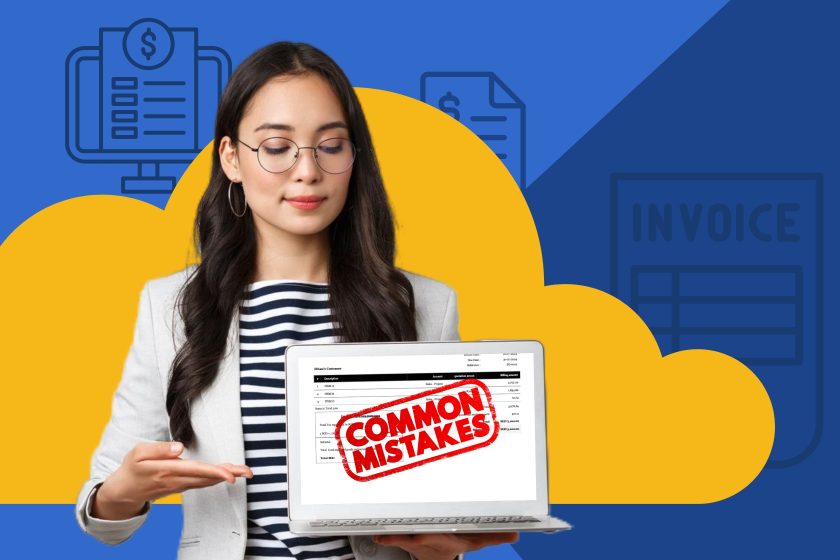
E-Invoicing in Malaysia has emerged as a pivotal technological advancement in the realm of business transactions, offering a myriad of benefits that extend beyond just digitalization best e invoicing software. As the landscape of financial operations continues to evolve, the implementation of e-invoicing serves as a strategic tool for organizations seeking to streamline their processes and stay compliant with regulatory standards. The intricate interplay between technology, legislation, and business practices in this domain presents a compelling narrative that warrants further exploration into the nuances and implications of e-invoicing within the Malaysian business ecosystem.
Benefits of E-Invoicing in Malaysia
The implementation of e-invoicing in Malaysia has brought about significant benefits for businesses in terms of efficiency and cost savings. By transitioning from traditional paper-based invoicing to electronic processes, companies in Malaysia have experienced streamlined operations, reduced manual errors, and faster payment cycles.
E-invoicing has enabled organizations to automate invoice generation, delivery, and payment reconciliation, leading to improved cash flow management and enhanced financial visibility. Moreover, the digitalization of invoicing processes has facilitated better tracking and monitoring of transactions, enhancing transparency and accountability within business operations.
Legal Framework for E-Invoicing
With the ongoing advancement of e-invoicing practices in Malaysia, it is imperative to understand the established legal framework that governs electronic invoicing processes within the country.
The legal framework for e-invoicing in Malaysia primarily consists of the Digital Signature Act 1997, which provides the legal recognition of electronic signatures in electronic transactions, including e-invoicing.
Additionally, the Electronic Commerce Act 2006 sets out the legal requirements for electronic transactions, further supporting the validity of e-invoices.
These laws aim to ensure the authenticity, integrity, and reliability of electronic invoices, promoting trust and security in electronic transactions.
Understanding and complying with these legal regulations are essential for businesses engaged in e-invoicing activities in Malaysia.
E-Invoicing Implementation Process
The successful implementation of e-invoicing in Malaysia hinges on a structured approach encompassing key steps, stakeholder engagement, and seamless system integration. Understanding the overview of implementation steps is crucial to navigating the transition effectively.
Involving key stakeholders and ensuring seamless integration with existing systems are pivotal aspects for a smooth e-invoicing adoption process.
Implementation Steps Overview
Initiating the implementation process for e-invoicing in Malaysia involves a structured approach that encompasses key steps to ensure a seamless transition to electronic invoicing systems.
The initial step typically involves assessing the organization’s current invoicing processes and identifying areas that can be improved through electronic invoicing.
Following this, selecting a suitable e-invoicing solution provider is crucial, considering factors such as compliance with regulatory requirements and integration capabilities with existing systems.
Once a provider is chosen, the implementation phase begins, involving setting up the e-invoicing system, configuring it to meet specific business needs, and conducting thorough testing to ensure functionality and accuracy.
Training staff on using the new system effectively is also vital to ensure successful adoption and implementation.
Key Stakeholder Involvement
Engaging key stakeholders is essential for the successful implementation of e-invoicing systems in Malaysia. Stakeholders such as the government, businesses, and service providers play crucial roles in driving the adoption and integration of e-invoicing.
The government’s support through policies and regulations is vital in creating a conducive environment for e-invoicing implementation. Businesses need to actively participate in the transition to electronic invoicing by aligning their processes and systems with the new technology.
Service providers, including e-invoicing solution providers and financial institutions, are instrumental in offering the necessary tools and support for a smooth integration process. Collaboration among these key stakeholders is imperative to ensure a seamless and efficient e-invoicing ecosystem in Malaysia.

Integration With Systems
Implementing e-invoicing systems in Malaysia involves seamlessly integrating electronic invoice processes with existing business systems to enhance efficiency and accuracy in financial transactions. This integration with systems such as Enterprise Resource Planning (ERP) software, accounting systems, and procurement platforms is crucial for a smooth transition to e-invoicing.
By connecting e-invoicing with these systems, businesses can automate invoice generation, validation, and payment processes, reducing manual errors and increasing operational efficiency. Furthermore, integration enables real-time tracking of invoices, improves transparency, and facilitates easier compliance with regulatory requirements.
Role of Government in E-Invoicing
The pivotal role of the government in the realm of E-Invoicing in Malaysia is crucial for establishing industry standards and fostering compliance among businesses. By setting regulations and guidelines, the government ensures that E-Invoicing processes are secure, efficient, and standardized across different sectors.
Additionally, government involvement helps in promoting the adoption of E-Invoicing practices among businesses of all sizes, driving the digital transformation of the invoicing landscape in the country. Through initiatives such as providing incentives or mandating E-Invoicing usage, the government plays a significant role in accelerating the transition towards electronic invoicing, ultimately leading to increased productivity and cost savings for businesses while contributing to a more sustainable and environmentally friendly economy.
E-Invoicing Service Providers in Malaysia
Amid the growing demand for digital invoicing solutions, an array of E-Invoicing service providers in Malaysia offers specialized platforms and services tailored to meet the diverse needs of businesses across various industries. These service providers play a crucial role in facilitating the transition towards electronic invoicing, providing businesses with efficient and secure platforms to manage their invoicing processes.
Companies such as Financio, Kakitangan, and GHL e-Connect are among the prominent E-Invoicing service providers in Malaysia, offering features such as automated invoicing, real-time tracking, and integration capabilities. By utilizing these services, businesses can streamline their invoicing operations, reduce manual errors, and enhance overall efficiency in managing financial transactions.
Integrating E-Invoicing With Accounting Software
Integrating E-Invoicing with accounting software enhances the efficiency and accuracy of financial record-keeping processes for businesses in Malaysia. By seamlessly integrating e-invoicing data with accounting software, companies can automate the invoice generation, tracking, and payment processes. This integration reduces manual data entry errors, minimizes duplication of work, and streamlines the overall invoicing workflow.
Additionally, integrating e-invoicing with accounting software provides real-time visibility into financial transactions, enabling businesses to make data-driven decisions promptly. This synchronization also facilitates better cash flow management and improves the overall financial health of the organization.
Security Measures in E-Invoicing
Enhancing the security protocols of e-invoicing systems in Malaysia is imperative for safeguarding sensitive financial data in the digital environment. Implementing encryption techniques, secure user authentication processes, and regular security audits are essential measures to prevent unauthorized access and data breaches.
Multi-factor authentication, strong password policies, and data encryption help ensure that only authorized personnel can access the e-invoicing system. Moreover, continuous monitoring for any suspicious activities, regular software updates, and employee training on cybersecurity best practices further strengthen the security of e-invoicing processes.
Cost Savings With E-Invoicing
To further underline the advantages of e-invoicing systems, exploring the cost-saving benefits that businesses can realize becomes paramount. Implementing e-invoicing leads to significant cost reductions for businesses. By eliminating paper-based processes, companies save on printing, postage, and storage costs associated with traditional invoicing methods.
Additionally, e-invoicing reduces the likelihood of errors, such as duplicate payments or discrepancies, which can incur additional costs for businesses to rectify. Automation of invoicing processes also saves valuable time for staff, allowing them to focus on more strategic tasks.
E-Invoicing Adoption Trends in Malaysia
Analyzing the adoption trends of e-invoicing in Malaysia sheds light on the current landscape of digital invoicing practices in the country.
Understanding the adoption rates and the challenges faced during implementation is crucial for businesses and policymakers to navigate the transition effectively.
Adoption Rates
The adoption rates of e-invoicing in Malaysia have shown a steady increase over the past few years, reflecting a growing acceptance of digital invoicing solutions among businesses in the country. This upward trend can be attributed to several factors, including the government’s push towards digitalization, the cost-saving benefits associated with e-invoicing, and the overall improvement in efficiency that electronic invoicing offers.
Many businesses in Malaysia are recognizing the advantages of transitioning from traditional paper-based invoicing to electronic systems, leading to a notable surge in adoption rates. As more organizations embrace e-invoicing practices, the landscape of business transactions in Malaysia is evolving towards a more streamlined and digitally-driven future.
Implementation Challenges
The increasing adoption rates of e-invoicing in Malaysia have brought forth a new set of challenges related to the implementation of digital invoicing systems in businesses across the country. One of the primary hurdles faced is the integration of e-invoicing with existing accounting and enterprise resource planning (ERP) systems.
Ensuring seamless connectivity and data synchronization between these platforms is crucial for the successful implementation of e-invoicing. Additionally, issues such as regulatory compliance, data security, and the standardization of e-invoice formats pose significant challenges for businesses transitioning to electronic invoicing.
Overcoming these obstacles requires careful planning, investment in technology infrastructure, and collaboration between stakeholders to streamline the e-invoicing process and maximize its benefits.
Future Outlook for E-Invoicing in Malaysia
Amidst the digitization wave sweeping across industries, the trajectory of e-invoicing in Malaysia appears poised for significant growth and development. With the government’s push towards digitalization and the adoption of e-invoicing as part of the National e-Commerce Strategic Roadmap, the future looks promising.
The introduction of initiatives like the Peppol E-Invoicing framework and the mandatory implementation for government procurement further solidifies the path towards a more streamlined and efficient invoicing process in the country. As businesses and organizations increasingly recognize the benefits of e-invoicing in terms of cost savings, improved efficiency, and reduced errors, the trend towards greater adoption is likely to continue.
Embracing e-invoicing not only enhances business operations but also contributes to Malaysia’s overall digital transformation journey.
Conclusion
In conclusion, the adoption of e-invoicing in Malaysia offers numerous benefits such as:
- Streamlined operations
- Reduced manual errors
- Faster payment cycles
With a robust legal framework, government support, and the presence of e-invoicing service providers, businesses in Malaysia are increasingly transitioning towards a more efficient and digitally-driven invoicing landscape.
The future outlook for e-invoicing in Malaysia looks promising as more companies recognize the cost savings and operational advantages it provides.
…
 The world is constantly evolving, especially in the field of technology. We are surprised daily with the new devices that appear to make our lives easier . Fortunately, these machines have been increasingly useful. Have you ever imagined what hospitals would be like without the equipment to perform such exams with such precision or so that doctors could perform surgeries? What would the world be like without the cell phones we currently have access to? In fact, it’s hard to imagine, as we can do absolutely everything with just a few clicks. One of the great news that emerged recently was, without a shadow of a doubt, Alexa.
 Shortly thereafter, Alexa says the boy’s shopping cart has been updated and says, unable to register the actual order: “I added ‘Daddy’ to the shopping cart. Do you want anything else?”. The baby responds with satisfaction: “Uh, no”.