In the realm of Chinese language education, technology has revolutionized traditional learning methods. Enhanced learning platforms, virtual reality language immersion chinese enrichment class, adaptive algorithms, gamification, and mobile apps have all played pivotal roles in transforming how individuals acquire linguistic proficiency.
This article delves into the profound impact of technology on Chinese language education, exploring innovative tools and approaches that empower learners to engage with the language in dynamic and effective ways, ultimately fostering a more accessible and enriching educational experience.
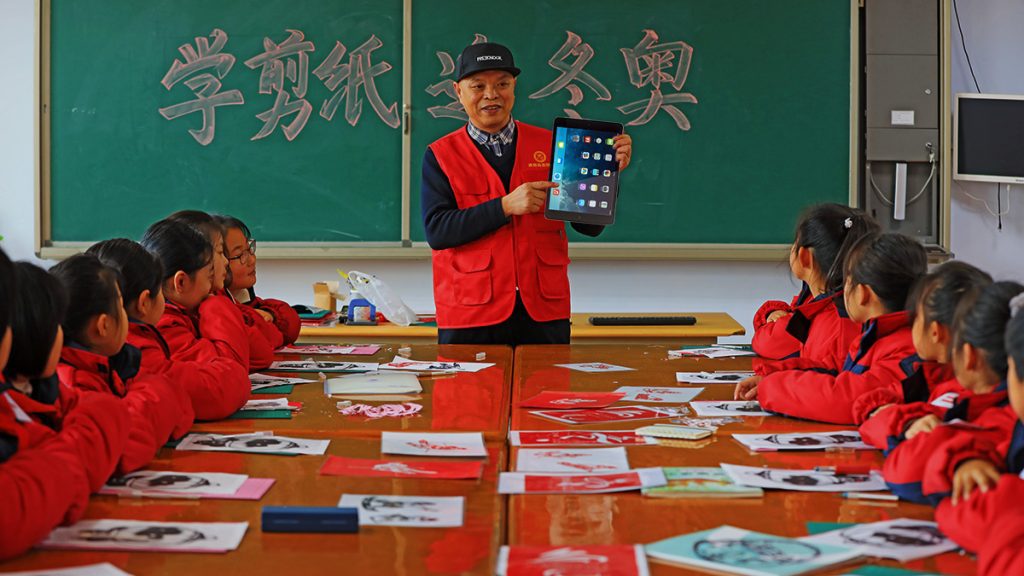
Enhanced Learning Platforms
One must acknowledge the transformative role that enhanced learning platforms play in modern Chinese language education. These platforms offer students the freedom to learn at their own pace, access a wide range of resources, and engage in interactive exercises that cater to their individual learning styles.
With features like real-time feedback, personalized study plans, and multimedia content, students can immerse themselves in the language more effectively. Furthermore yanzi mandarin, enhanced learning platforms break down geographical barriers, allowing students from all over the world to connect with Chinese language instructors and peers.
This level of accessibility and flexibility not only enhances the learning experience but also promotes a culture of inclusivity and collaboration in Chinese language education.
Virtual Reality Language Immersion
The integration of virtual reality technology into Chinese language education has revolutionized language immersion experiences for students. Through virtual reality language immersion, learners can now engage in simulated environments where they can practice their language skills in realistic scenarios. This innovative approach allows students the freedom to interact with native speakers, navigate everyday situations, and receive instant feedback, all within a safe and controlled virtual space.
Adaptive Learning Algorithms
Building upon the advancements in virtual reality language immersion, the implementation of adaptive learning algorithms in Chinese language education has further enhanced personalized learning experiences for students.
These algorithms analyze students’ strengths and weaknesses, allowing for tailored learning paths that adapt to individual progress. By providing targeted exercises and content based on each student’s proficiency level, adaptive learning algorithms offer a more efficient and effective way to learn Chinese.
Students have the freedom to learn at their own pace, receive immediate feedback, and focus on areas that require improvement. This personalized approach not only increases student engagement but also ensures that learning Chinese is more accessible and enjoyable for learners of all levels.

Gamification of Language Learning
Implementation of gamification in Chinese language education enhances students’ engagement and learning outcomes through interactive and immersive experiences. By integrating game elements such as points, levels, and rewards into the curriculum, students are motivated to actively participate in language learning activities.
Gamified learning platforms offer personalized feedback and progress tracking, allowing learners the freedom to explore Chinese language concepts at their own pace. These interactive tools create a dynamic learning environment that fosters curiosity and persistence, leading to improved retention and application of language skills.
Through the gamification of Chinese language education, students can enjoy the process of learning while achieving tangible progress, ultimately enhancing their overall language proficiency and fluency.
Mobile Apps for Language Practice
Enhancing Chinese language proficiency through the utilization of mobile apps for language practice is a modern and effective approach in language education. Mobile apps offer the freedom to practice Chinese anytime, anywhere, catering to individuals with busy schedules. These apps provide interactive exercises, vocabulary building tools, and pronunciation practice to enhance language skills.
Users can track their progress, set personalized goals, and receive instant feedback, making the learning process engaging and efficient. With the convenience of mobile apps, learners have the flexibility to tailor their Chinese language practice to their specific needs and learning pace. As technology continues to advance, the integration of mobile apps into language education proves to be a valuable resource for those seeking to improve their Chinese proficiency.
Conclusion
In conclusion, technology has significantly impacted Chinese language education through enhanced learning platforms, virtual reality language immersion, adaptive learning algorithms, gamification of language learning, and mobile apps for language practice.
These tools have revolutionized the way students engage with the language, making it more interactive, personalized, and accessible.
As technology continues to advance, it is expected to further enhance the effectiveness and efficiency of Chinese language education.


